


What is a Clutch Disc and How Does It Work?
Understanding the importance of the clutch disc is essential when evaluating your vehicle clutch system. The clutch disc is a key component in transferring engine power to the drivetrain, and proper use helps ensure smoother operation, improved performance, and a longer service life for your vehicle.
What Is a Clutch Disc?
A clutch disc is a critical component positioned between the engine and the transmission, responsible for transferring engine power to the transmission and ultimately to the wheels. It is typically constructed from a combination of metal and friction materials. The disc features friction linings attached to an outer hub, along with metal plates connected to an inner hub. When engaged, this structure creates the necessary friction to transmit engine power smoothly and efficiently through the drivetrain.
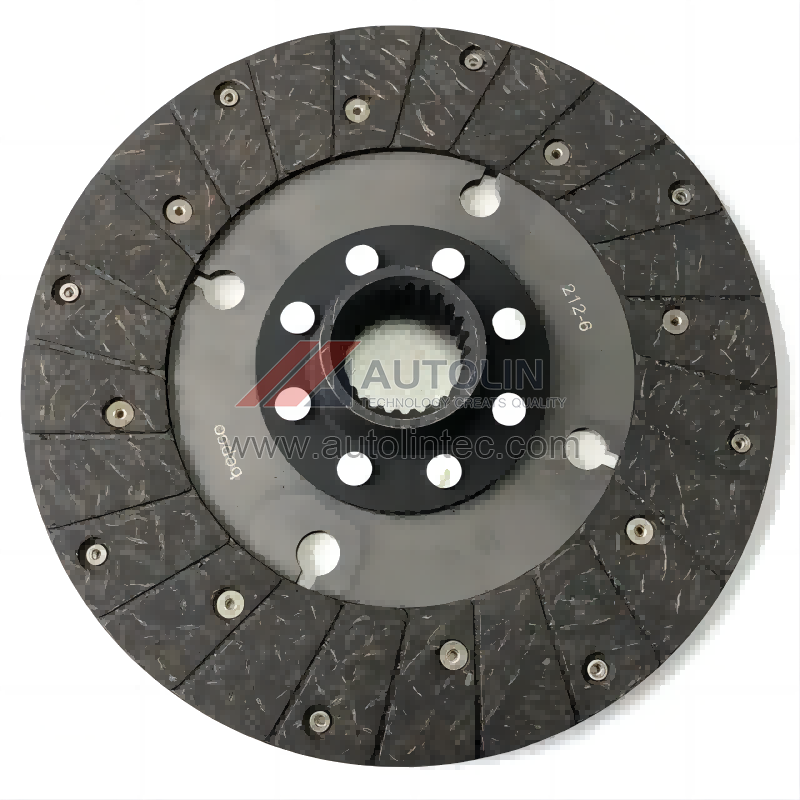
How Does the Clutch Disc Work?
The working principle of a clutch disc is relatively simple, yet it is essential to smooth driving and precise control. It operates by engaging and disengaging engine power from the transmission through controlled friction. Below is a clear breakdown of how the clutch disc functions:
Friction Materials
The clutch disc is lined with friction materials, commonly organic, ceramic, or carbon based compounds. These materials are designed to withstand high temperatures and constant friction while maintaining consistent performance.
Transfer of Engine Power
When the clutch pedal is not pressed, the pressure plate firmly clamps the clutch disc against the flywheel. This friction allows engine power to be transmitted directly to the transmission and wheels.
Clutch Pedal and Pressure Plate Operation
Pressing the clutch pedal activates a hydraulic or mechanical system that pulls the pressure plate away from the clutch disc. This action reduces clamping force and separates the disc from the flywheel.
Transmission Disconnection
Once the clutch disc is released, engine power is temporarily disconnected from the transmission. This allows the driver to shift gears smoothly without damaging the gearbox.
Re engaging the Clutch
When the clutch pedal is released, the pressure plate presses the clutch disc back against the flywheel. Friction is restored, and engine power flows smoothly to the transmission again.
Clutch discs play a key role in enabling smooth gear changes and controlled vehicle movement. With proper driving habits and regular maintenance, a clutch disc can deliver reliable performance over a long service life. However, like all friction components, it will gradually wear and eventually require replacement.
Signs Indicating That the Clutch Disc Needs to Be Replaced
Understanding how the clutch disc works makes it easier to recognize when it begins to wear out. Because the clutch disc is a friction component, it naturally degrades over time. Identifying warning signs early can help prevent more serious damage to the clutch system and transmission.
Visible Wear on Friction Materials
One of the clearest signs is excessive wear on the friction linings. If the disc shows thinning, cracks, or uneven surfaces, replacement is likely necessary.
Vibration or Shudder During Gear Changes
A worn clutch disc can cause noticeable vibration, shuddering, or jerky engagement when shifting gears. These symptoms often indicate uneven wear or loss of proper alignment.
Changes in Clutch Pedal Feel
If the clutch pedal requires more effort to press, feels unusually soft, or the engagement point changes suddenly, the clutch disc or related components may be wearing out.
Burning Smell or Unusual Noises
A burning odor often signals overheating caused by slipping friction materials. Metallic grinding or rattling noises can also indicate damage to the clutch disc.
Professional Inspection
If any of these symptoms appear, it is advisable to seek a professional inspection. A qualified technician can accurately assess the condition of the clutch disc and determine whether replacement is required.
Addressing clutch disc issues early helps maintain smooth driving performance and prevents costly repairs in the future.
Tips for Detecting Clutch Disc Issues
Early detection of clutch disc problems can help prevent performance loss and costly repairs. The following tips can help you identify potential issues and extend the life of your clutch system.
Regular Inspections and Maintenance
Routine inspections of the clutch system allow early identification of wear or damage. Consistent maintenance helps ensure safe operation and reliable performance over time.
Adopt Proper Driving Habits
Smooth driving habits reduce unnecessary strain on the clutch disc. Avoid sudden acceleration, aggressive gear changes, and abrupt stops, as these behaviors can accelerate clutch wear.
Maintain the Entire Clutch System
Regular maintenance of related components such as the pressure plate, release bearing, and linkage is essential. Proper lubrication and timely adjustments help the clutch disc operate smoothly and last longer.
Schedule Professional Inspections
Having your vehicle inspected by a qualified technician at recommended intervals ensures potential clutch issues are identified early. Professional inspections help maintain vehicle safety and overall drivetrain efficiency.
By following these practices, you can detect clutch disc issues early and ensure long term performance and reliability.
- 0